Small business rubbish removal for Holland Park shops
Posted on 08/07/2026

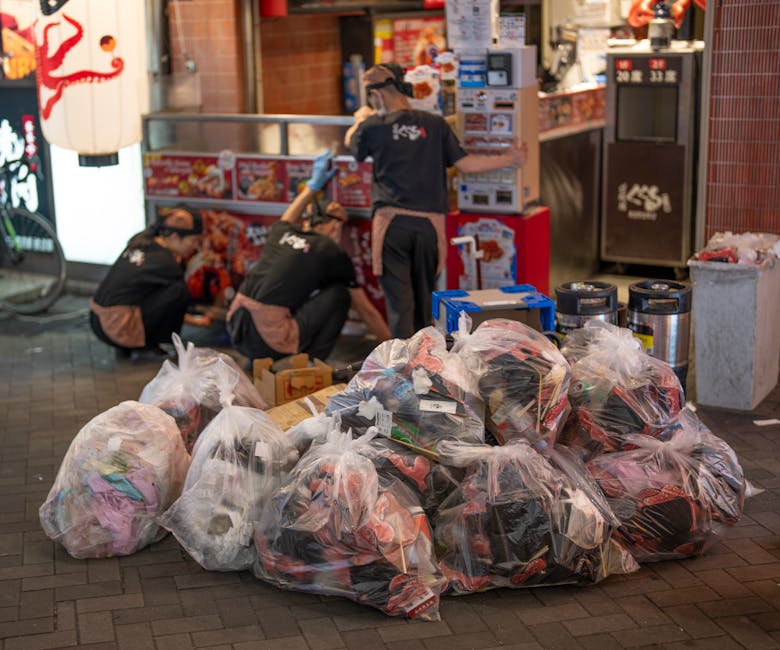
If you run a shop in Holland Park, rubbish has a habit of appearing at the worst possible moment. One minute the stockroom is tidy, the next you're staring at cardboard, broken packaging, old display units, a dead fridge in the back, and a bin that's somehow full again before lunch. Small business rubbish removal for Holland Park shops is really about keeping that daily clutter under control without disrupting trade, staff flow, or the customer experience.
Done well, it saves time, reduces stress, and helps your premises feel calm and organised. Done badly, it can mean blocked entrances, awkward odours, missed collections, and avoidable compliance headaches. This guide breaks the process down clearly, with practical advice for shop owners, managers, landlords, and anyone responsible for keeping a retail space running smoothly in W11.
Along the way, we'll cover what shop rubbish removal involves, how it works, what to watch out for, and how to choose a service that actually fits the pace of a local business. No fluff. Just the stuff that matters on a busy Tuesday morning.
Why Small business rubbish removal for Holland Park shops Matters
Retail units live or die by presentation. If a customer walks past a shopfront and sees stacked bags, overflowing bins, or a fridge waiting by the door, the impression sticks. And not in a good way. In a place like Holland Park, where many shops rely on repeat local trade and polished street presence, waste management is part of the brand, even if nobody puts it in the window display.
There's also a practical reality. Shops generate mixed waste: packaging, damaged stock, old shelving, promotional materials, office clutter, food waste from cafes or delis, and occasional bulky items that simply won't fit into regular commercial bins. If you let those items pile up, staff spend more time moving rubbish around than serving customers. That's a poor use of anyone's day.
For many small businesses, the real value of a proper clearance service is consistency. You need a dependable way to remove waste quickly, keep the back of house usable, and avoid the "we'll sort it later" trap. Later has a nasty way of becoming next week, then next month. We've all seen it happen.
It also matters from a compliance and neighbour-relations angle. A shop with loose waste outside can create litter, pest issues, and complaints from nearby residents or other businesses. If you want to understand the wider local context, it can help to read about commercial waste removal in Holland Park and how it supports everyday business operations.
How Small business rubbish removal for Holland Park shops Works
At its simplest, the process is straightforward: identify the waste, book a collection, have it removed, and make sure it is handled responsibly. In practice, the details matter. A good removal service should make it easy to describe what needs clearing, estimate the load, and agree a collection window that fits your opening hours.
For shops, the process usually starts with a quick assessment. That might be a photo-based quote, a phone discussion, or an on-site visit if the load is awkward or large. The provider will want to know what type of waste you have, whether there's lifting involved, if access is tight, and whether items need dismantling. That's normal. It is better to be clear upfront than to discover halfway through that the old display cabinet does not fit through the doorway. A classic retail moment, really.
Collections can often be arranged outside trading hours, early in the morning, or during a quieter period in the day. That reduces disruption to customers and staff. If your rubbish is urgent, same-day help may be possible depending on availability; you can also look at same-day rubbish removal in W11 for a sense of what fast response can look like.
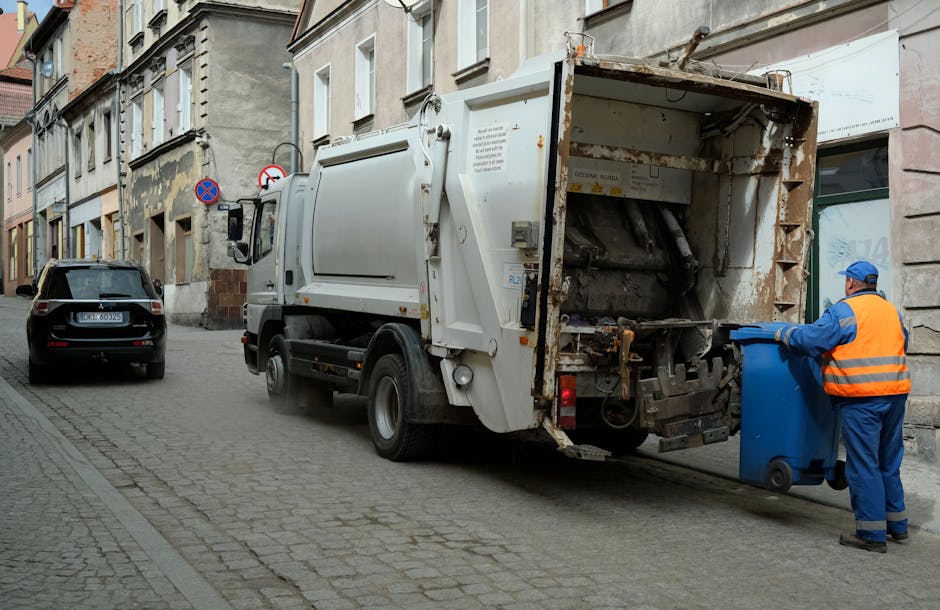
Once on site, the team loads the waste, checks what can be reused or recycled, and clears the area. For a shop, that might mean taking away broken fixtures, packaging, paper waste, old chairs, or appliance items. If you are clearing larger or more awkward objects, services such as furniture removal in Holland Park and white goods and appliance disposal in Holland Park may be relevant too.
Key Benefits and Practical Advantages
The obvious benefit is space. Once the waste is gone, your stockroom, basement, yard, or rear access area becomes usable again. That alone can improve stock handling, staff movement, and daily housekeeping.
There's a quieter benefit too: less mental clutter. Owners and managers often underestimate how much small piles of rubbish create background stress. A messy back area tends to make everything feel a bit more chaotic. Once it's cleared, the whole shop feels lighter. Sounds dramatic, but it's true.
Here are the main practical advantages of using a dedicated rubbish removal service for shop waste:
- Better presentation: your shopfront and customer areas stay tidy.
- More floor space: stockrooms and storage areas remain functional.
- Less staff downtime: employees focus on sales and service, not waste hauling.
- Flexible timing: removals can often be arranged around trade hours.
- Safer premises: fewer trip hazards, blocked exits, and unstable piles.
- Cleaner compliance: waste is handled through a proper disposal route.
There's also a customer trust angle. People notice order. They may not consciously think, "Ah yes, a well-managed waste stream," but they do notice whether a place feels cared for. In a competitive retail street, that matters.
If your shop regularly generates mixed rubbish, it can be sensible to pair regular collections with broader waste planning. Our guide to waste disposal in Holland Park and rubbish collection in Holland Park can help you think about the bigger picture.
Who This Is For and When It Makes Sense
This service is not just for shops in crisis mode. It suits a wide range of businesses, from small independents to premises with steady but manageable waste output.
It tends to make sense if you are:
- a boutique retailer clearing packaging and damaged stock
- a cafe or deli dealing with food-related waste, small appliances, or seating replacements
- a salon removing old chairs, mirrors, product waste, or fit-out debris
- a convenience store with regular cardboard and back-of-house clutter
- a landlord or managing agent preparing a unit for a new tenant
- a business owner who needs a one-off clear-out after stock rotation, refurbishment, or relocation
It also makes sense after seasonal changes. January clearance, pre-summer refreshes, and post-Christmas stock shifts all produce awkward waste. If you've ever stared at a pile of flattened cardboard and thought, "That's not going in the bin," you're already in the right mindset.
For shops located near busy routes or transport links, access can be a factor too. Some collections require a little more planning around kerbside stopping, loading, or lift access. That's one reason local knowledge helps. If that sounds familiar, bulky waste and access tips near Holland Park Station may be useful reading.
Step-by-Step Guidance
Here's a practical way to approach shop rubbish removal without overcomplicating it.
- Identify the waste types. Separate cardboard, general rubbish, furniture, appliances, shelving, and anything potentially hazardous.
- Measure the load roughly. You do not need a perfect audit. Just know whether it's a small tidy-up or a larger clearance.
- Check access. Think about stairs, narrow corridors, rear entrances, parking restrictions, and lift availability.
- Choose the right timing. Aim for quiet trading periods, before opening, after closing, or a scheduled low-footfall window.
- Request a clear quote. Make sure the quote reflects the actual waste and any labour involved.
- Prepare the area. Move breakables, clear a path, and group items together where possible.
- Confirm what can be removed. If there are appliances, paint, chemicals, or specialist waste, flag it early.
- Keep records if needed. Businesses often like a simple paper trail for internal tracking and compliance.
A small detail that helps: take photos before the collection. It's not glamorous, but it keeps everyone on the same page and prevents awkward back-and-forth. People forget how much waste looks different in person compared with a quick phone description.
If you're planning a bigger clear-out, the broader services overview is a useful place to see how different clearance types fit together.
Expert Tips for Better Results
After enough shop clearances, a few patterns become obvious.
First, sort before collection if you can. Even a rough split between cardboard, reusable fixtures, and general waste makes the job smoother. It can also improve recycling outcomes. You don't need to build a processing plant in the stockroom, obviously. Just a bit of common sense goes a long way.
Second, don't wait for the waste to become urgent. Emergency clearances are more stressful and often more expensive to arrange at the last minute. If you know a refurb is coming, book early.
Third, be honest about access. Narrow hallways, no lift, awkward loading bays, or restricted parking all affect timing. Hiding them helps no one. In fact, it usually creates the exact delay you were trying to avoid.
Fourth, think beyond the first load. Many shops need recurring clearances, not just one-off help. For example, a retail unit might need weekly general rubbish support plus occasional furniture or appliance removal. It's worth planning the rhythm rather than treating each mess as a separate problem.
Fifth, keep sustainability in view. A tidy shop is great; a tidy shop with responsible disposal is better. If recycling and reuse matter to your brand, take a look at recycling and sustainability to see how waste handling can support that approach.
Common Mistakes to Avoid
Some problems repeat themselves across shop clearances. The good news? Most are easy to avoid once you know what to look for.
- Leaving waste until it blocks operations. Once it starts affecting staff movement or stock handling, the issue has already cost you time.
- Mixing different waste types without telling anyone. General rubbish, furniture, and appliances may need different handling.
- Assuming all collections are the same. They are not. A small bagged collection is very different from a full shop strip-out.
- Forgetting access details. Stairs, loading restrictions, and tight back entrances can change the whole plan.
- Choosing only by price. Cheapest is not always best if it leads to delays, poor communication, or unclear disposal routes.
- Not checking what happens to the waste. Shops have reputations to protect. Responsible disposal matters.
There's a quieter mistake too: not planning for the people around you. Neighbours, staff, delivery drivers, and customers all experience the waste problem in different ways. The cleaner the process, the less friction it creates. Simple as that.
For extra context on avoiding awkward surprises, the article on avoiding hidden charges in rubbish removal quotes is worth a look.
Tools, Resources and Recommendations
You do not need a lot of fancy kit to manage shop waste properly, but a few simple tools make a real difference.
- Heavy-duty sacks and liners for day-to-day rubbish
- Labelled containers for cardboard, soft plastics, and general waste
- A basic measuring tape to estimate bulky items before booking removal
- Mobile photos to document loads for quotes and internal records
- A simple waste log if you manage multiple clearances across the week
- Dolly trolleys or furniture sliders for internal movement of bulky items, where safe and suitable
On the information side, useful pages include pricing and quotes if you want to understand how estimates are handled, and waste carrier licence and compliance if you want reassurance about proper disposal arrangements.
If your shop is part of a wider property portfolio or sits in a unit that may change hands, it can also help to read more about the area and premises context in smart investments and real estate in Holland Park or the Holland Park property purchase guide. Those pages are more property-focused, but they're useful if you're thinking strategically about premises over the longer term.
Law, Compliance, Standards, or Best Practice
For small businesses, waste handling is not just a housekeeping issue. It is part of operating responsibly. In the UK, businesses generally have a duty to manage their waste properly, keep it secure, and use reputable carriers and disposal routes. The specifics can vary depending on the material, the setting, and the local authority environment, so it's wise to treat this area with care rather than guesswork.
For Holland Park shops, a few best-practice principles are especially useful:
- Store waste safely so it doesn't create obstruction, odour, or pest risk.
- Use a legitimate carrier and ask questions if anything feels vague.
- Separate specialist waste where required, especially appliances or potentially hazardous items.
- Keep access routes clear for staff and customers.
- Be aware of local collection expectations and council-related disposal guidance.
If you're unsure about the council side, it's sensible to read Kensington and Chelsea Council rubbish disposal rules explained and what to know about council rules for rubbish in Holland Park. Those articles help frame the local context without overcomplicating it.
And because trust matters, business owners should also care about insurance, safety, and privacy when dealing with service providers and site access. Those operational details may feel boring, but they're the ones that prevent silly problems later. Boring is often good.
Options, Methods, or Comparison Table
Different shops need different waste solutions. Here's a simple comparison of common approaches.
| Method | Best for | Pros | Limitations |
|---|---|---|---|
| Routine bin-based disposal | Small daily waste volumes | Simple, predictable, low effort | Not suitable for bulky items or sudden clear-outs |
| Ad hoc rubbish removal | Occasional stockroom clutter, packaging, broken fixtures | Flexible and quick to arrange | Can become reactive if you leave it too long |
| Planned clearance service | Refits, seasonal changes, or regular bulky waste | Efficient, well-organised, better for larger loads | Needs a bit of planning and clear access details |
| Mixed waste + specialist removal | Shops with furniture, appliances, and general rubbish together | Handles awkward loads in one coordinated visit | Must be quoted carefully to avoid confusion |
In most Holland Park shops, the best option is not one single method but a blend: regular commercial waste handling for everyday rubbish, plus occasional removal for bulky or awkward items. If you're dealing with fixtures, shelving, or display pieces, furniture disposal in Holland Park is often the neatest route.
Case Study or Real-World Example
A small boutique near a busy Holland Park road had a familiar problem: the shop looked polished out front, but the back office was filling up with stock packaging, broken hangers, old shelving, and a couple of damaged display units. Nothing dramatic. Just enough clutter to make restocking annoying and deliveries awkward.
The owner put off clearing it because the shop was busy and the waste was "not urgent." Of course, it became urgent. A new display rollout was due, and staff couldn't access the storage corner without moving three different piles first. Not ideal. You know that slightly panicked feeling when a simple task suddenly turns into a half-day job? That.
Once the clearance was scheduled, the business grouped the waste into broad categories, took a few photos, and arranged removal outside opening hours. The team cleared the bulky items first, then dealt with mixed rubbish and cardboard. The result was immediate: the back room became usable again, the staff stopped improvising storage, and the shop floor felt calmer.
What worked well was not just the removal itself, but the prep. The owner had measured the largest items, checked access, and warned about a narrow internal passage. That small bit of planning saved time on site. Truth be told, that is the difference between a clean job and a messy one.
For shop owners who are also managing other premises, it may help to compare this type of work with office clearance in Holland Park or, where relevant, waste clearance in Holland Park. The needs overlap, but the access, timing, and waste mix can be quite different.
Practical Checklist
Use this quick checklist before you book a shop clearance.
- Have I identified all waste types clearly?
- Do I know roughly how much needs removing?
- Have I checked access, parking, stairs, and any lift issues?
- Are there any appliances, electronics, or specialist items involved?
- Can the collection happen outside customer-facing hours?
- Have I grouped items to make loading easier?
- Do staff know what should stay and what should go?
- Have I asked about recycling or reuse where suitable?
- Is the quote clear about labour, access, and disposal?
- Do I understand the provider's compliance and insurance position?
Quick takeaway: if you know what you have, where it is, and how it will be accessed, the whole process becomes calmer. Simple, but very effective.
Conclusion
Small business rubbish removal for Holland Park shops is not just about getting rid of waste. It is about protecting presentation, keeping staff efficient, avoiding unnecessary disruption, and making sure your premises stay practical and professional day after day. For a shop, the right clearance approach is often the quiet difference between a space that feels controlled and one that always seems one box away from chaos.
The best results usually come from a bit of planning, clear communication, and a service that understands retail timing. Get those pieces right and the process becomes pleasantly unremarkable - which, in waste management, is actually a compliment.
If your shop is due for a tidy-up, a stockroom reset, or a full bulky waste clear-out, now is a sensible time to act rather than wait for the mess to grow legs.
Get a free quote today and see how much you can save.