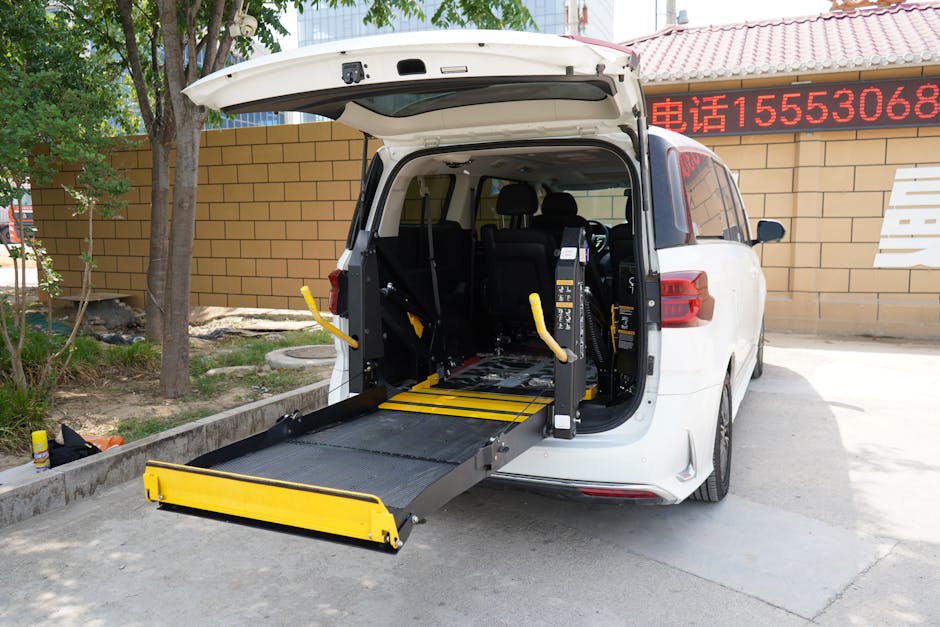
Holland Park Station bulky waste removal and lift access tips
Posted on 21/06/2026
If you are trying to organise bulky waste removal near Holland Park Station, the job can look simple on paper and then suddenly turn awkward in the hallway. A sofa is too wide for the lift. A wardrobe catches on the stairwell bend. The caretaker wants the job done quietly, before peak footfall. That is exactly why Holland Park Station bulky waste removal and lift access tips matter: they help you move large items out safely, with less stress, less damage, and fewer last-minute surprises.
This guide walks through the practical side of clearance planning around the station area, from measuring lifts and protecting shared spaces to timing collections and avoiding the usual mistakes. If you are dealing with a one-off flat clearance, a landlord turnover, or a post-refurbishment tidy-up, you will find a clear route through it here. No fluff. Just the stuff that saves time.

Why Holland Park Station bulky waste removal and lift access tips Matters
In a dense London neighbourhood, bulky waste is rarely just "put it outside and gone." Around Holland Park Station, buildings often have narrow communal entrances, compact lifts, limited loading space, and shared access rules that can make a straightforward collection feel oddly complicated. A mattress that would be easy in a ground-floor house can become a two-person manoeuvre in a mansion block or converted building. A fridge can be a nightmare if the lift doors are just a touch too tight. You get the picture.
Good planning matters for three reasons. First, it protects the building. Scratches on walls, chipped tiles, and dented lift doors are expensive to fix and awkward to explain. Second, it keeps the job efficient. The less time a removal team spends negotiating stairs or waiting for a lift, the smoother the collection. Third, it reduces disruption for neighbours. In shared buildings, noise, clutter, and blocked corridors cause friction very quickly.
There is also a bigger point here: bulky waste is not the same as general rubbish. Sofas, wardrobes, white goods, beds, broken shelving, and office furniture all behave differently when moved. Some need two people. Some need careful disassembly. Some simply will not fit through the route you planned five minutes earlier. To be fair, that is where most problems begin - not with the item itself, but with the route to the exit.
Practical takeaway: If you can map the route from room to lift to entrance before collection day, you usually cut down on delays, damage risk, and awkward conversations at the front door.
How Holland Park Station bulky waste removal and lift access tips Works
The process is usually less about lifting and more about planning. A good bulky waste removal starts with understanding the item, the building, and the access route. Around Holland Park Station, that often means checking lift dimensions, door widths, stairwell turns, and whether the item needs to be broken down first. It sounds obvious. It rarely is when you are standing there with a wardrobe that seemed smaller in the bedroom.
Here is the basic flow most sensible removals follow:
- Identify the items you want removed and separate them from anything staying.
- Measure the largest pieces and compare them with the lift and corridor access.
- Check building rules for lift booking, move times, and protection requirements.
- Prepare the route by clearing hallways, opening doors, and protecting surfaces if needed.
- Plan the collection time to avoid busy periods, school runs, or peak commuter movement.
- Move items safely using the most suitable route, not necessarily the shortest one.
- Confirm disposal through a licensed and responsible route, especially for mixed bulky waste.
In practical terms, the lift is often the deciding factor. If the item fits cleanly, the job is quick. If it does not, you may need to turn, tilt, strip down, or carry the item by stairs. The right answer is not always "lift if possible." Sometimes the stairs are safer for a lighter item, especially if the lift is small or heavily used. Other times, the lift is the only sensible option because it avoids the risk of banging corners on a narrow staircase.
There is a bit of judgement involved, and that judgement comes from experience. You can usually tell within a minute whether a job will be neat or messy. Smarter planning makes it neat.
Key Benefits and Practical Advantages
When bulky waste removal is planned properly, the gains are immediate and very tangible. You are not just getting rid of unwanted items; you are reducing friction in a building that probably already has enough of it.
- Less damage risk: Better access planning means fewer scuffs, scrapes, and knocks to lifts, walls, and door frames.
- Faster collections: If the route is known in advance, items move out more efficiently.
- Lower stress: You are not improvising under pressure while a corridor fills up with furniture.
- Better neighbour relations: Shorter, quieter removals are simply easier on everyone.
- Safer handling: You reduce the chance of back injuries, dropped items, and awkward twists on stairs.
- Cleaner handover: This is especially useful for landlords, agents, and tenants facing an end-of-tenancy deadline.
There is another benefit people often overlook: planning helps you spot what can be reused, donated, dismantled, or recycled before it becomes a last-minute dumping issue. Not everything needs to be treated as one big load. A broken chair, a usable desk, and a soft furnishing item may all need different handling. That kind of sorting saves time and, often, money too.
And yes, it can prevent the classic "we thought it would all fit" moment. That sentence has caused more sighs than any other in clearance work, honestly.
Who This Is For and When It Makes Sense
This guide is useful for anyone dealing with bulky items in or around Holland Park Station, but it is especially relevant if your building has shared access, a lift, or limited parking nearby. In London, that covers more people than you might think.
You are likely to need this approach if you are:
- a tenant moving out of a flat with old furniture left behind
- a landlord clearing a property between occupancies
- a letting agent coordinating a quick turnaround
- a homeowner replacing large items after refurbishment
- a business disposing of office furniture, shelving, or redundant equipment
- someone clearing out after a bereavement or downsizing, when timing and care matter more than speed
It makes sense whenever the item is too large for standard household waste, too awkward to carry without planning, or too important to risk damaging the building. If you are trying to decide whether to do it yourself or bring in help, ask yourself a simple question: can the item move from room to street without forcing, bending, or dragging? If the honest answer is no, you probably need a more careful plan.
Sometimes people wait until the day before a move and then realise the lift is tiny, the mattress is heavy, and the stairwell turns sharply halfway down. That is the point where a calm plan becomes a very good idea.
Step-by-Step Guidance
If you want the removal to go smoothly, follow a practical sequence rather than guessing your way through it. This is the part that saves the day.
1. List every bulky item
Start with a full inventory. Write down sofas, beds, wardrobes, desks, white goods, broken chairs, shelving, and anything else that needs to go. Group similar items together so you can judge whether they can be stacked, carried, or dismantled.
2. Measure the item and the access route
Take the width, height, and depth of the largest item. Then check the lift doorway, internal lift dimensions, corridor widths, and sharp turns. A tape measure is boring, yes, but it is also the difference between a clean exit and a stuck sofa. Measure twice if the item is awkward.
3. Decide whether dismantling is needed
Flat-pack furniture, wardrobes, bed frames, and some office desks may need partial dismantling. Remove doors, shelves, legs, and loose fittings before the move. Keep screws and small parts in a labelled bag. That small step prevents frustration later when something comes back from storage and nobody knows where the bolts went.
4. Book the lift and check building rules
Many residential buildings prefer moves at quieter times and may ask for lift bookings or advance notice to the building manager. Even if the building is informal about it, it helps to give warning. You do not want to arrive and discover the lift is reserved for another move or, worse, that the porter has gone home for the day.
5. Protect the route
If the building allows it, use floor coverings, door protection, and corner guards. Even simple blankets can help if they are kept secure and do not create a trip hazard. Clear loose mats, shoes, parcels, and anything else that can catch a wheel or toe.
6. Plan the load order
Put the easiest items out first if there is a mix of sizes. This creates momentum. Large items usually work best once the route is clear and the team can move without stopping every few steps. Heavy items should be carried by enough people, not squeezed into a one-person fix.
7. Confirm disposal and final sweep
After collection, check that all items are gone and that no fixings, packaging, or small waste has been left behind. If the property is being handed over, a final sweep matters. It is one of those simple jobs that looks small but feels huge when it has been missed.
Expert Tips for Better Results
Here is where a bit of real-world experience helps. The best bulky waste jobs are rarely the most dramatic ones. They are the ones where someone thought ahead by ten minutes.
- Use the route that preserves the item and the building. The shortest route is not always the best route. A wider hallway may save a corner from damage.
- Check lift door timing. Some lifts close faster than you expect. That matters when you are moving large items and one person is trying to hold the door while another turns a mattress upright.
- Keep one person in charge of the path. Too many instructions at once makes things clumsy. One voice. Simple directions.
- Remove fragile parts first. Glass shelves, mirrors, and loose handles should come off before the move starts.
- Use the quietest sensible time slot. Around Holland Park Station, early mornings or mid-morning windows often work better than the rush either side of commuter peaks.
- Have gloves and proper footwear. Not glamorous, but absolutely worth it.
- Leave a little breathing room. People underestimate how much space is needed to pivot a bulky item. That extra 20 centimetres can change everything.
A small practical tip: if you can, take a quick photo of the item and the lift route before collection day. It helps you spot pinch points in advance and makes it easier to explain the job to anyone assisting. No need for a glossy property shoot. Just enough to see the corners and doors.
And one more thing - do not treat a lift like a storage cupboard while you organise things outside it. That is how delays start. Keep the path clear and the job feels half as hard.
Common Mistakes to Avoid
Most problems with bulky waste removal and lift access are predictable, which is irritating but also useful. If you know the traps, you can avoid them.
- Guessing the dimensions. "It should fit" is not a measurement.
- Forgetting the turn radius. A lift may be tall enough but still too tight at the doorway or corridor bend.
- Ignoring building rules. If the building asks for advance notice, take it seriously. It usually exists for a reason.
- Leaving the route cluttered. Boxes, shoes, bin bags, and loose items all create delays and trip risks.
- Trying to force a large item through. That is how damage happens. If it resists, stop and rethink.
- Underestimating weight. Bulky does not always mean heavy, but heavy often hides inside bulky. White goods are the classic example.
- Not checking who is responsible for disposal. In shared living situations, people sometimes assume someone else will handle the waste. Spoiler: they do not.
One common issue near station areas is timing. If a collection overlaps with heavy pedestrian movement or a building's busiest access period, everything feels harder. The team waits, residents pass, the lift gets called elsewhere, and the job drifts. Not ideal. A little timing discipline prevents a lot of frustration.
Tools, Resources and Recommendations
You do not need a van full of specialist gear to manage a bulky waste job well, but a few simple tools make a real difference. The goal is smooth handling, not unnecessary fuss.
| Tool or resource | Why it helps | Best used for |
|---|---|---|
| Tape measure | Confirms item and access dimensions accurately | Lifts, doorways, corridors, bulky furniture |
| Moving blankets | Protects surfaces from scuffs and knocks | Lift interiors, walls, door frames, furniture corners |
| Gloves | Improves grip and reduces minor hand injuries | Carrying, dismantling, sorting waste |
| Strong bags or boxes | Keeps screws and small parts together | Dismantled furniture, fixtures, loose fittings |
| Utility knife or screwdriver set | Helps break down items safely | Bed frames, shelves, flat-pack pieces |
| Door wedges or hold-open method where allowed | Keeps access points controlled during movement | Short transfers through shared routes |
For larger or more complicated clearances, it may also help to use a professional team that understands building access and can judge whether a lift or stair route is best. That is not about being fancy. It is about avoiding a messy lift interior and a stressed-out afternoon. If your job also involves mixed waste or a larger property clearance, you may find it useful to understand how different collection types are handled more broadly, especially if you are also comparing options for office clearance services or broader rubbish removal support. Those pages can help you think through what needs to go, how it should be sorted, and what level of assistance is appropriate.
Truth be told, the right tool is often the calmest one: a bit of planning, a clear route, and enough patience not to rush the corner.
Law, Compliance, Standards, or Best Practice
When dealing with bulky waste in the UK, the main thing is to make sure the waste goes to a properly managed and lawful disposal route. You do not need to become a regulation expert to do that, but you do need to avoid casual shortcuts. Leaving bulky waste on a street, in a corridor, or in a communal area without permission can create problems for the property and, in some cases, for the person responsible for it.
In practical terms, good practice usually means:
- keeping common areas clear and safe during the move
- avoiding damage to lifts, walls, flooring, and fire exits
- sorting reusable items from genuine waste where possible
- using competent handlers for heavy or awkward items
- making sure waste is transferred to an appropriate disposal route
For residents and landlords, it is also sensible to check lease conditions, building management expectations, and any local instructions relating to refuse storage or collection timing. Some buildings are relaxed about this. Others are not. If you are unsure, ask before collection day rather than after. That small bit of caution can spare you a charge, a complaint, or a long email thread nobody wanted.
Best practice also applies to health and safety. Large items can trap fingers, shift unexpectedly, or become unstable when tilted. A safe plan usually matters more than speed. If a job seems beyond what your team can handle comfortably, it is better to pause and reassess than to push through because everyone is already carrying on instinct. Not the moment for heroics.
Options, Methods, or Comparison Table
There is more than one way to deal with bulky waste near Holland Park Station, and the best option depends on the item, the access route, and how quickly it needs to go. Below is a simple comparison that should make the choice easier.
| Method | Best for | Pros | Watch out for |
|---|---|---|---|
| DIY carry-out | Light, manageable items and easy access | Lower immediate cost, flexible timing | Risk of damage, injuries, and delays if access is tight |
| Lift-assisted removal | Most furniture and medium-weight items | Usually faster and safer for shared buildings | Requires accurate sizing and building cooperation |
| Stair carry | Items that do not fit the lift but are still manageable | Can solve awkward access issues | More labour-intensive and physically demanding |
| Partial dismantling | Wardrobes, beds, desks, large shelving | Improves fit and reduces collisions | Takes time; parts must be kept organised |
| Full clearance support | Multiple items, tight deadlines, or complex buildings | Less stress, better coordination, more efficient handling | Needs careful briefing so the team knows the access constraints |
A lot of people think the "best" method is the one that sounds easiest. Usually, the best method is the one that matches the building. That is the key difference. If the lift is small, a forced lift move can be worse than a planned dismantle. If the stairs are narrow and the item is heavy, a stair carry can be a bad idea. There is no prize for guessing.
Case Study or Real-World Example
Consider a fairly ordinary scenario: a first-floor flat near Holland Park Station with a three-seater sofa, a dismantled bed frame, and an old chest of drawers to remove. The lift is available, but it is compact. The hallway is narrow and the building has a busy morning rhythm, with deliveries, residents, and the occasional buggy all wanting the same space.
The successful approach is usually simple. First, the sofa is measured and checked against the lift doorway. It is slightly too awkward to angle upright comfortably, so the team plans to remove the feet and wrap the corners. The bed frame is already dismantled, which saves time. The chest of drawers is light enough to be carried carefully. The collection is booked for a quieter mid-morning slot, after commuter movement eases off and before the building gets busy again.
On the day, the route is cleared in advance. The lift is protected. The team moves one item at a time rather than stacking too much in a rush. The sofa takes a bit of patience - as sofas often do, slightly theatrical things - but the job stays controlled. No scraped walls. No holding up neighbours. No one trying to squeeze an object through at a bad angle while pretending it will somehow "just go."
The point of the example is not that every job is this tidy. Some are messier. But with the right lift access planning and a realistic view of the item sizes, the difference is striking. You trade last-minute stress for a calm, manageable removal.
Practical Checklist
Use this checklist before bulky waste collection day. It is simple, but it covers the details that usually trip people up.
- List every item to be removed
- Measure the largest item carefully
- Check lift dimensions and doorway widths
- Review stair turns and corridor pinch points
- Confirm building rules for access, timing, and lift use
- Clear the route of clutter and trip hazards
- Protect floors, walls, and lift surfaces if needed
- Dismantle items that will not fit intact
- Bag screws, fixings, and loose parts
- Choose a sensible time window for the collection
- Make sure someone is available to guide access if needed
- Confirm the disposal plan for all items, including mixed waste
- Do a final check for forgotten bits in cupboards, drawers, and behind furniture
If you can tick all of those off, you are in a strong position. If not, pause and sort the weak spots before collection day. That little bit of caution pays for itself very quickly.
Conclusion
Holland Park Station bulky waste removal and lift access tips are really about making a difficult job feel ordinary. Once the route is measured, the lift is checked, the items are prepared, and the timing is sensible, the whole process becomes much easier. That is the difference between a stressful clear-out and a tidy, efficient one.
Whether you are clearing a single heavy item or coordinating a fuller property job, the best results come from a simple mix of planning, caution, and practical judgement. Keep the access route clear, respect the building, and do not force items that clearly need a smarter approach. You will save time, reduce damage risk, and probably keep everyone in a better mood as well.
Get a free quote today and see how much you can save.
And if you are planning ahead for a move, a clear-out, or a sudden "we need this gone by tomorrow" moment, take a breath first. A good plan can make the whole thing feel lighter.