Holland Park Avenue rubbish removal guide for residents
Posted on 01/05/2026
If you live on or near Holland Park Avenue, rubbish removal can be simple one week and oddly awkward the next. A few bags after a clear-out? Easy enough. A sofa, broken shelving, garden cuttings, and a stack of packaging after a move? Suddenly the pavement, the lift, the stairwell, and the clock all matter. This Holland Park Avenue rubbish removal guide for residents is here to make the whole thing clearer, calmer, and a lot more manageable.
Whether you are decluttering a flat, dealing with landlord clearance, or just trying to get rid of bulky waste without turning your hallway into a storage unit, the basics are the same: sort it properly, choose the right removal method, and avoid avoidable headaches. We will walk through the practical steps, the local considerations, and the small details that make a big difference. To be fair, it is rarely the rubbish itself that causes the trouble. It is the planning around it.
For readers who also need broader help with waste handling and collection options, you may find our rubbish removal service overview useful, along with the more specific bulky item collection guidance and our house clearance service page for larger residential clear-outs.
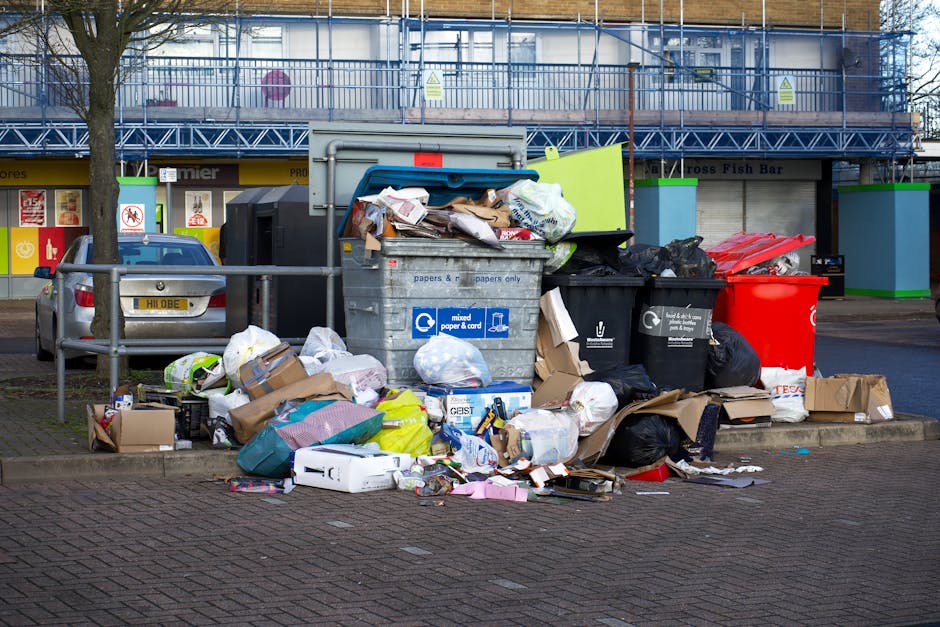
Why Holland Park Avenue rubbish removal guide for residents Matters
Holland Park Avenue sits in a busy part of west London where space is precious, parking is often tight, and day-to-day life moves quickly. That context matters. Rubbish removal is not just about lifting items out of a home; it is about doing it without blocking shared entrances, upsetting neighbours, missing collection windows, or leaving waste sitting around longer than it should.
Residents on a street like this often face a mix of waste types: everyday bagged waste, cardboard from deliveries, old furniture, renovation offcuts, unwanted appliances, and sometimes the awkward oddments that do not quite fit any one category. A chair with one wobbly leg can sit in the corner for weeks. A broken wardrobe can dominate a hallway. And once it starts taking up space, it becomes a problem you see every time you pass it.
That is why a practical guide matters. It helps you decide what can be reused, what should be recycled, what needs special handling, and what is better removed by a professional team. It also helps you avoid the classic mistake: waiting until the pile becomes too big to ignore. We have all seen that moment where a "quick tidy" turns into a full weekend job. Not fun.
There is also a neighbourly side to this. Shared entrances, communal bins, and narrow access routes all make timing and presentation important. Bagged waste left in the wrong place can create odours, attract pests, or simply look messy. A good approach keeps your home tidy and your building more pleasant for everyone.
How Holland Park Avenue rubbish removal guide for residents Works
In plain terms, rubbish removal for residents usually follows one of a few routes: you separate the waste, decide how it should be handled, and arrange a collection or drop-off method that suits the item and the volume. For smaller day-to-day rubbish, your normal household waste and recycling system may be enough. For bulkier or mixed waste, a dedicated collection is often the smoother option.
Here is the typical process when residents organise a private rubbish removal service:
- Identify the waste type. Is it general rubbish, furniture, appliances, green waste, builders' waste, or a mix?
- Separate anything reusable or recyclable. This saves space and may reduce the amount that needs disposal.
- Check access. Think about stairs, lifts, parking, loading points, and whether items need dismantling first.
- Request a quote or estimate. Most services will want to know the type and volume of waste, plus access conditions.
- Choose a collection time. For residential streets, this often works best when access is calmer and neighbours are less disrupted.
- Prepare the waste. Bag loose items, flatten cardboard, and keep sharp or heavy objects clearly separated.
- Confirm disposal method. A reputable service should explain where the waste goes and how recyclable material is handled.
That is the broad shape of it. In reality, the details matter. For example, a third-floor flat with no lift is a very different job from a ground-floor clear-out with easy loading access. Likewise, mixed waste from a house refresh can take longer to sort than a simple single-item collection.
If you are comparing removal options, our same-day rubbish removal page explains what is possible when time is tight, and our furniture removal service page covers the awkward larger pieces many residents struggle with.
Key Benefits and Practical Advantages
Good rubbish removal is not just about getting things out of your way. It improves how your home feels, how safely you can move around it, and how quickly you can get on with the next task. That sounds obvious, but you really notice it once the clutter has gone and the room has air again.
- More usable space: Clear floors, clearer hallways, and fewer items crowding corners.
- Less stress: A tidy home is easier to manage, especially during a move, renovation, or family change.
- Better safety: Removing broken furniture, loose packaging, and heavy items reduces trip and lifting hazards.
- Cleaner shared areas: Waste dealt with properly is less likely to affect neighbours or building management.
- More efficient recycling: When materials are separated well, more of them can be directed to the right route.
- Time saved: One organised collection can be far easier than multiple trips to a disposal site.
There is also a practical mental benefit. Getting rid of clutter can make the rest of the job feel possible. A lot of residents tell themselves they will "deal with it later", but later usually arrives with a sigh and an extra cup of tea. Better to get ahead of it, truth be told.
For households going through a bigger change, such as downsizing or probate-related clearance, our probate clearance service information and loft clearance guide can help you think through the process more calmly.
Who This Is For and When It Makes Sense
This guide is useful for anyone living in a flat, maisonette, terrace, or managed property near Holland Park Avenue who needs to remove waste in a sensible, compliant, and low-fuss way. In practice, that includes several common situations.
Residents dealing with a one-off clear-out
Maybe you have just had a sort-out after months of stacking things "for later". Old books, boxes, unused kitchen bits, and a lamp that has somehow survived three moves. A small one-off collection can clear the lot in one go.
People moving home
Moves create rubbish fast: broken hangers, packaging, old furniture that no longer fits the new place, and items you simply do not want to carry twice. If you are between properties, a quick removal can make the handover much smoother.
Landlords and tenants
End-of-tenancy waste is a common issue. Tenants want a clean exit, and landlords want the property ready for viewing or refurbishment. A clear disposal plan avoids delays and awkward disputes over what is left behind.
Families and busy households
When life is full-on, the garage, spare room, or utility corner can quietly fill up. One bag here, one chair there, and before you know it the pile is a project. That is usually the moment people realise they need a proper rubbish removal service.
Anyone tackling DIY or renovation waste
Small renovation jobs produce a surprising amount of debris. Old tiles, timber offcuts, broken fittings, plasterboard, and packaging all need handling correctly. This is where a more structured service can save a lot of back-and-forth.
Step-by-Step Guidance
If you want a smooth rubbish removal experience, follow a clear process. It sounds simple, and mostly it is, but skipping the basics tends to create the mess you were trying to avoid in the first place.
1. Sort the waste into categories
Start by separating what you have into broad groups: general rubbish, recycling, furniture, appliances, green waste, and anything hazardous or specialist. You do not need perfect labelling. Just get it sensible enough that the next step is easy.
2. Keep reusable items aside
If something is still usable, consider whether it can be donated, sold, or passed on. A table with a mark on it may still be fine for someone else. A working chair can often live another life rather than heading straight to disposal.
3. Measure or estimate the volume
Removing a couple of bags is very different from removing half a room of furniture. If you are asking for a quote, volume matters. Many services estimate by load size, item type, or a combination of both.
4. Check access before collection day
Look at stairs, lift size, doorway widths, parking restrictions, and whether any items need disassembly. A bit of checking saves a lot of awkward shuffling on the day. And yes, the sofa that looked "fine" in the lounge can become mysteriously enormous at the front door.
5. Choose the right collection method
Some residents just need a single bulky item removed. Others need a full flat clearance. Choosing the right method avoids paying for more than you need, while still giving you enough capacity to clear the space properly.
6. Prepare the items for removal
Bag loose waste, tape sharp edges if needed, and keep items together where possible. If you have mixed materials, try to group them by type. It makes loading faster and can support better sorting afterwards.
7. Confirm timing and handover details
On collection day, make sure someone is available if needed, especially for access-controlled buildings. It also helps to know exactly where the waste is being taken from and which entrance is easiest. Small detail, big difference.
8. Check the area once the waste is gone
Have a quick look for small pieces, screws, broken glass, or packaging scraps. The room or hallway should feel genuinely finished, not just "mostly done". That final sweep is worth it.
Expert Tips for Better Results
A few practical habits can make rubbish removal noticeably easier. They are not complicated, which is exactly why people often skip them. But they help.
- Do a first pass the night before: Keep everything visible so you are not hunting for items at the last minute.
- Label anything uncertain: If an item might be reusable, recyclable, or specialist waste, separate it early.
- Dismantle large pieces when sensible: Flat-pack furniture, bed frames, and shelving often become easier to move once broken down.
- Keep walkways clear: This is especially useful in narrow flats and shared stairwells.
- Ask about waste handling: A good provider should be able to explain how items are sorted after collection.
- Plan around building routines: In managed properties, loading access or concierge times can affect the smoothest collection window.
A useful rule of thumb: if an item is awkward to carry, awkward to fit through a doorway, and awkward to lift down stairs, deal with it early rather than leaving it until the end. Future you will be grateful. Probably with less backache too.
For larger domestic projects, our garage clearance and garden waste removal pages may also be helpful if the clutter has spread beyond the main living space.
Common Mistakes to Avoid
Most rubbish removal problems come from a handful of avoidable mistakes. Nothing dramatic. Just the sort of things that seem minor until they are not.
- Leaving everything to the last minute: This often leads to rushed sorting and missed items.
- Mixing all waste together: It makes recycling harder and can complicate the job.
- Ignoring access issues: A collection team still needs practical entry, parking, and carrying space.
- Forgetting about specialist waste: Some items need extra care and should not be handled as ordinary rubbish.
- Underestimating volume: One "small pile" has a way of becoming a full van load. Funny how that works.
- Blocking communal areas: Waste left in hallways, stairwells, or entrances can create problems quickly.
Another common slip is assuming every item can simply be put out with regular household waste. That is not always the case, and the wrong disposal route can create unnecessary hassle. If you are unsure, ask before collection day rather than after.
Tools, Resources and Recommendations
You do not need a specialist toolkit to manage most residential rubbish removal jobs, but a few practical items can make things easier.
| Item | Why it helps | Best used for |
|---|---|---|
| Heavy-duty bin bags | Contain loose waste and prevent spills | General rubbish, soft household waste |
| Packing tape | Keeps bags and boxes secure | Cardboard, mixed light items |
| Marker pen and labels | Makes sorting easier | Items to keep, donate, recycle, or remove |
| Basic screwdriver set | Helps dismantle furniture | Beds, shelving, tables, flat-pack units |
| Protective gloves | Reduces risk from sharp edges and rough surfaces | Mixed clear-outs, lofts, garages |
In terms of services, residents often benefit from a combined approach rather than trying to make one solution fit everything. For example, a standard residential clear-out may be enough for most household waste, while a separate office clearance page can be useful if you are also disposing of work-from-home equipment, filing cabinets, or old desks after a home office refresh.
If you are comparing service quality, look for clear communication, straightforward load assessment, and sensible handling of recyclable materials. That basic professionalism matters more than fancy wording. Always has.
Law, Compliance, Standards, or Best Practice
Waste disposal in London should be handled responsibly and in line with accepted UK practices. Without getting too legalistic, the key point is this: your rubbish should go somewhere legitimate, and the people handling it should be able to explain how they manage it.
For residents, the safest approach is to treat any waste contractor as a service provider you are entitled to question politely. Ask where waste is taken, whether mixed loads are separated, and whether the company follows standard duty-of-care expectations. You do not need to become an expert overnight, but you should feel confident that the waste is not simply being moved out of sight and forgotten.
There are also practical building and neighbourhood considerations. In shared blocks, waste should not be left in communal hallways for long periods. It should not block fire routes. It should not create a trip hazard. And it should not interfere with neighbours who are trying to get on with their day. Common sense, really, but easy to overlook when moving quickly.
If you are dealing with items such as fridges, paint, batteries, chemicals, or other specialist materials, treat them carefully and ask in advance how they should be handled. It is better to pause and check than to guess. That small pause can save a lot of trouble later.
Best practice also includes clear quotes, honest load descriptions, and careful lifting. If a provider is vague about what happens to the waste, that is a little red flag. Not necessarily a disaster, but worth paying attention to.
Options, Methods, or Comparison Table
Residents usually choose between a few different waste-removal routes. The right one depends on how much you have, how fast you need it gone, and how much lifting or sorting you want to do yourself.
| Option | Best for | Pros | Trade-offs |
|---|---|---|---|
| Regular household bins | Everyday waste and small recycling | No special arrangement, simple routine | Limited capacity, not suitable for bulky items |
| Council collection or drop-off route | Basic disposal where available | Can be suitable for some common items | May require waiting, booking, or self-transport |
| Private rubbish removal | Bulky, mixed, or time-sensitive clear-outs | Convenient, flexible, fast | Usually more costly than doing it yourself |
| Skip hire | Medium to large renovation waste | Good for ongoing project disposal | Needs space, permits may be relevant, items must be loaded yourself |
| Reuse, donate, or sell | Usable furniture and household goods | Less waste, good for the environment | Can take more time and coordination |
If you want the least stressful route for a typical residential clear-out, private rubbish removal often wins on convenience. If you have plenty of time and your waste is small, another option may be enough. It depends on the job, not on some perfect universal answer. There rarely is one.
Case Study or Real-World Example
Here is a realistic example. A resident in a second-floor flat near Holland Park Avenue had a mix of items after redecorating: a bed base, two small wardrobes, several boxes of packaging, and a few bags of general waste. Nothing unusual, but enough to make the entrance feel cramped and the bedroom look unfinished.
At first, the plan was to chip away at it over a few weekends. But once the packaging started piling up and the wardrobes were partly dismantled, the space became awkward to live in. The resident then grouped the waste into three clear categories: reusable items, mixed rubbish, and bulky furniture. A quick access check followed: stairs only, a narrow landing, and a tight corner on the turn. That mattered more than expected.
The collection itself went more smoothly because the prep had been done properly. Flat-pack pieces were dismantled, loose items were bagged, and the route through the flat was cleared. The job finished without the usual "where does this bit go?" back-and-forth. The best part was not dramatic at all. Just a clean room, less visual noise, and a proper sense of relief when the last bag left the building.
That kind of outcome is common when the process is organised early. No magic. Just good planning and sensible handling.
Practical Checklist
Use this checklist before arranging rubbish removal. It is simple, but it catches the small things people forget.
- Sort waste into general rubbish, recycling, bulky items, and specialist items
- Remove anything reusable or worth donating
- Estimate the amount of waste accurately
- Check stairs, lifts, parking, and doorway widths
- Disassemble large furniture where practical
- Bag loose waste securely
- Keep sharp or heavy items separated
- Confirm the collection time and access details
- Make sure communal areas stay clear
- Sweep the area once everything has been removed
Expert summary: The smoothest rubbish removal jobs are rarely the ones with the fewest items. They are the ones that were sorted early, measured honestly, and prepared with the building in mind. A little order at the start saves a lot of effort at the end.
Conclusion
Rubbish removal on or around Holland Park Avenue does not have to be stressful. Once you understand what you have, how it should be handled, and what access looks like in your building, the rest becomes a practical job rather than a daunting one. That is the real value of a good Holland Park Avenue rubbish removal guide for residents: it turns an annoying task into a manageable process.
Whether you are clearing one bulky item or tackling a full flat refresh, the smartest approach is usually the calm one. Sort first, check access, ask sensible questions, and choose the method that fits your situation. Small steps, done properly, make a big difference.
Get a free quote today and see how much you can save.
And if the pile still feels a bit too much this evening, that is fine. Start with one bag, one box, one shelf. The rest tends to follow once you begin.