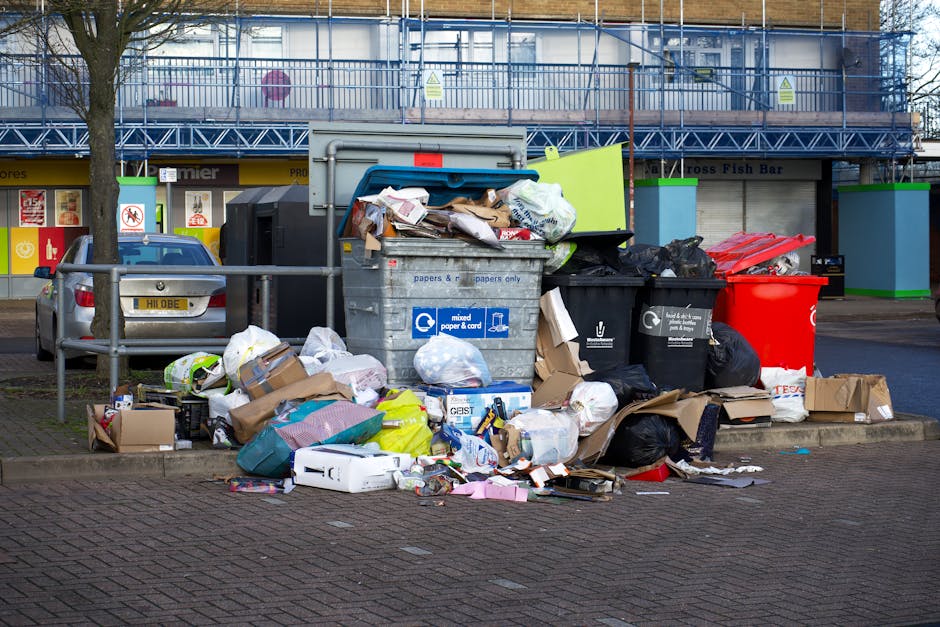
Common problems with loft rubbish clearance in Holland Park
Posted on 18/08/2026
If you are dealing with Common problems with loft rubbish clearance in Holland Park, you are probably already halfway into the awkward part: the stuff is up there, the loft is tighter than expected, and the job looks simple until you start moving boxes. Truth be told, that is exactly where most people hit trouble. Access can be awkward, the waste is rarely neatly sorted, and older homes in Holland Park often hide a few surprises behind the hatch.
This guide breaks down the issues people run into most often, why they matter, and how to handle them without turning a straightforward clear-out into a long, dusty, mildly chaotic weekend. You will also find practical steps, a comparison table, a checklist, and a few local pointers that make planning easier. If you are also comparing broader clearance options, it can help to look at loft clearance in Holland Park alongside related services such as house clearance and general waste clearance.
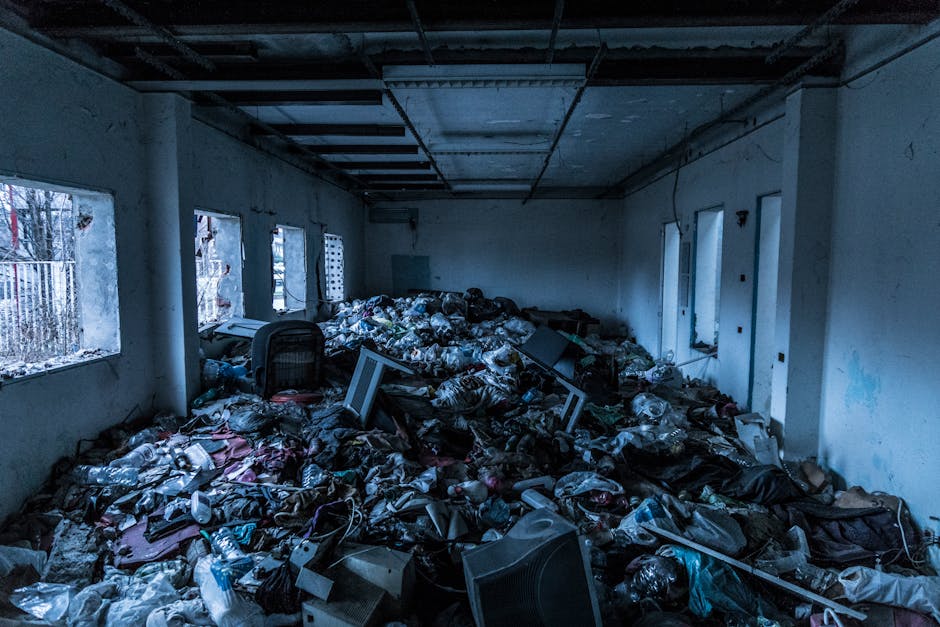
Why Common problems with loft rubbish clearance in Holland Park Matters
Loft clearances seem minor until they are not. A few forgotten chairs, old suitcases, broken shelving, or bags of mixed junk can sit for years without causing much fuss. Then one day you need the space for insulation, storage, a move, or a renovation, and suddenly the loft becomes a bottleneck.
In Holland Park, that bottleneck matters even more. Properties often have compact staircases, narrow landings, shared entrances, and limited street space for loading. Even if the rubbish itself is not large, getting it out safely can be the real challenge. This is where people often underestimate time, labour, and the knock-on effects of dust, debris, and access issues.
Another reason it matters is compliance. Not all loft contents are straightforward household rubbish. You may find old paint tins, electrical items, broken furniture, or materials from previous works. Those items need sensible sorting and proper disposal. If you rush the job, you can easily create a mess or hand the problem over to someone else without checking that they will handle it correctly. That is not ideal, let's be honest.
There is also a financial angle. Poor planning often leads to extra labour, repeat visits, or charges for unexpected waste types. If you want to avoid that, it helps to understand the common friction points before anyone lifts the first box. The team at waste disposal in Holland Park often sees that the best outcomes come from preparation, not speed alone.
How Common problems with loft rubbish clearance in Holland Park Works
At a basic level, loft rubbish clearance is a process of sorting, lifting, carrying, and removing unwanted items from an upper storage space. In practice, though, it usually starts with access checks and a quick look at what is actually up there. That first assessment matters because lofts tend to contain a mix of item types rather than one neat category of waste.
Here is what typically happens:
- The loft is inspected for access, headroom, lighting, and safety risks.
- Items are grouped into keep, donate, recycle, and dispose piles.
- Large or awkward objects are planned for safe removal route by route.
- Waste is loaded, separated where practical, and taken for appropriate processing.
The problems begin when any of those steps are skipped. For example, if nobody checks access, a bulky item may get stuck on the stairs. If mixed waste is not separated, sorting becomes slower and more expensive. If the loft floor is weak or cluttered, workers may need extra care, which can change the pace quite a bit.
In Holland Park, the physical layout of the property often shapes the whole job. Older conversions, period homes, and top-floor rooms can make loft rubbish clearance more delicate than a standard ground-floor collection. That is why a local, experience-based approach tends to work better than a rushed, one-size-fits-all plan. If you want a broader overview of available support, the services overview page is a useful place to orient yourself.
Key Benefits and Practical Advantages
When loft rubbish clearance goes smoothly, the benefits are easy to feel. Not just see. The air feels lighter, the house feels calmer, and suddenly you remember what the loft is actually for. A usable storage space, perhaps. Or the start of a loft conversion. Or just the relief of not having to climb over Christmas decorations from three different decades.
The main practical advantages are straightforward:
- More usable space: clearing the loft turns forgotten clutter into functional storage or renovation space.
- Safer access: removing unstable piles reduces the chance of slips, trips, and awkward falls.
- Better sorting: separating items properly can improve recycling and reduce unnecessary disposal.
- Less stress: a clear plan stops the job from dragging on for days.
- Cleaner handover: if you are selling, renting, or renovating, a cleared loft makes the property easier to present.
There is also a hidden benefit: a loft clearance often reveals other maintenance issues. Damaged insulation, damp patches, old pipework, or nesting debris can become visible once the clutter is out of the way. That is not exactly a glamorous surprise, but it is useful. Better to find it now than after the ceiling starts talking back.
For households comparing waste handling methods, a clear understanding of the broader rubbish collection in Holland Park options can make the process simpler and less wasteful.
Who This Is For and When It Makes Sense
Loft rubbish clearance is not only for big property projects. It makes sense for many different situations, and in Holland Park that variety is common. You might need it if:
- you have inherited a property with a packed loft
- you are preparing for a sale or letting
- you are converting the loft into living space
- you want to improve insulation or carry out repairs
- you are dealing with years of stored household junk
- you need bulky items removed before building work starts
It is also relevant for landlords, estate managers, and homeowners who simply do not want to spend a whole weekend dragging dusty boxes downstairs one by one. Not glamorous work, and if your loft smells faintly of old cardboard and attic dust, you are definitely not imagining it.
Commercial premises can have a version of the same problem too, especially with roof voids, storage attics, or awkward upper-level stock rooms. In those cases, commercial waste removal in Holland Park may be the more suitable route. If the waste includes desks, filing items, or office furniture, office clearance can be more appropriate again.
Step-by-Step Guidance
The easiest way to avoid the common problems is to treat the clearance like a small project, not a single task. A simple system saves time and reduces mistakes.
- Open the loft properly. Check the hatch, ladder, and lighting before moving anything heavy. If the access is wobbly, fix that first.
- Look for hazards. Dust, sharp edges, cracked boards, and loose insulation are all worth noting. A quick scan can prevent a clumsy accident.
- Sort before lifting. Separate obvious keeps, recyclables, electrical items, and rubbish. You do not need perfection, just enough structure to avoid chaos.
- Measure bulky items. Old wardrobes, divan bases, and long shelves are often the things that cause problems on stairs or in narrow hallways.
- Plan the route out. Protect bannisters and corners if needed. In some houses, one tight turn is all it takes to stall the job.
- Confirm disposal methods. Different item types may need different handling. This is especially true for electronics, appliances, and mixed renovation waste.
- Clear and sweep at the end. A proper finish is worth it. The loft should feel ready for its next use, not just less cluttered.
If your clearance is tied to a larger house project, it can help to compare it with related work like house clearance in Holland Park or even general waste clearance, especially where multiple rooms or storage areas are involved.
Expert Tips for Better Results
Here is the part people tend to overlook: loft rubbish clearance is mostly about avoiding friction. If the job runs smoothly, that is usually because several small decisions were made early. Nothing fancy. Just smart, practical choices.
1. Start with the heaviest items first. It sounds obvious, but many people begin by sorting light boxes and leave the bulky items until later, when everyone is already tired. Get the awkward stuff planned early.
2. Use daylight if you can. Morning light makes a real difference in lofts. Dust, damaged items, and trip hazards are easier to spot when you are not relying on a dim bulb and wishful thinking.
3. Photograph anything you may want to keep. If you are unsure whether to retain old files, memorabilia, or seasonal items, a quick photo can help you decide later without opening every single box again.
4. Keep a bag or tub for small loose items. Nails, cables, brackets, and random fittings have a talent for scattering themselves at the worst moment. A small container solves that. Simple, but useful.
5. Be realistic about time. A small loft may still take a lot longer than expected if access is awkward. Give yourself more breathing room than you think you need.
For households upgrading interiors, it is worth looking at how loft clearance interacts with furniture removal and furniture disposal. Old furniture is often the item that causes the biggest access headache, not the smallest one. Funny how that works.

Common Mistakes to Avoid
Most loft clearance problems are preventable. The issue is that people tend to underestimate the job until they are already halfway into it and everything is dusty, heavy, and slightly more complicated than expected.
- Skipping the access check. A hatch that seems fine can still be too narrow for larger items.
- Mixing all waste together. This slows everything down and makes disposal less efficient.
- Ignoring safety gear. Gloves, sturdy shoes, and a decent mask are not overkill in a dusty loft.
- Forgetting about hidden hazards. Old nails, broken glass, pests, and weak flooring can all turn a simple job into a messy one.
- Leaving the job half-finished. Half-cleared lofts are awkward to re-enter and often become storage traps again within weeks.
One other mistake is assuming every item can be treated the same way. Not quite. Electrical items, upholstered furniture, and mixed waste often need different handling. If you are unsure, check the disposal route before loading the van, not after. That saves a lot of backtracking.
It is also worth avoiding very rushed bookings if the loft is packed or the property access is tricky. If you need speed, same-day rubbish removal in W11 may help, but only if the job is realistically suitable for a quick turnaround.
Tools, Resources and Recommendations
You do not need a warehouse of equipment, but the right basics make a big difference. A good loft clearance kit is modest and practical.
- Heavy-duty gloves: for dust, splinters, and rough edges
- Dust mask: especially if the loft has been untouched for years
- Head torch or strong portable light: much better than a weak bulb
- Rubble sacks or sturdy bin bags: for small mixed waste
- Labels or marker tape: to keep items organised
- Blankets or corner protection: useful when moving bulky items through the house
In terms of planning tools, the most useful resource is often a clear written inventory. It does not need to be beautiful. Just note what is up there, what stays, and what can go. That one page can stop endless second-guessing later.
If you are comparing providers or trying to understand what is included, the pricing and quotes page is a sensible place to review how pricing is usually approached. For trust and peace of mind, it is also wise to understand waste carrier licence and compliance and how proper handling should work.
Law, Compliance, Standards, or Best Practice
Loft rubbish clearance does not need to be complicated from a legal point of view, but it does need to be handled responsibly. In the UK, waste should be transferred to a legitimate carrier, and the person arranging disposal should be careful about where the waste ends up. That is the basic principle. Not exciting, but important.
Best practice also means knowing that some items should never be left for casual disposal. Electrical waste, appliances, and certain bulky items need appropriate treatment. If you are clearing out a loft with a mix of material, the safest route is to separate what can be reused or recycled and then send the remainder through proper channels.
Insurance and safety matter too. If a clearance team is working in a tight loft or a property with delicate interiors, they should take reasonable precautions to prevent damage and injury. That includes safe lifting, sensible loading, and protection for floors, walls, and stairs where needed. For a clearer idea of those expectations, see insurance and safety.
Residents in the area may also find it helpful to read up on council rules for rubbish in Holland Park and the more detailed Kensington and Chelsea rubbish disposal rules explained. Those pages are especially useful if you are trying to avoid leaving anything out in the wrong place or at the wrong time.
Options, Methods, or Comparison Table
There is no single best method for every loft. The right choice depends on access, volume, item types, and how much time you have available. Here is a simple comparison to help you think it through.
| Method | Best for | Pros | Watch-outs |
|---|---|---|---|
| DIY clearance | Very small amounts of light rubbish | Low cash cost, flexible timing | Slow, tiring, higher risk of injury or damage |
| Partial self-sorting with collection | Mixed waste where you can organise items first | More control over sorting, can reduce waste | Still needs physical effort and planning |
| Professional loft clearance | Bulky, awkward, or time-sensitive jobs | Safer handling, quicker finish, less stress | Needs good access details and clear communication |
| Skip hire | Large volumes with easy access and enough outdoor space | Useful for ongoing work, flexible loading | May be awkward in busy streets and requires space |
If you are weighing up a skip against a man-and-van style clearance, the article on skip hire versus rubbish removal in W11 is a helpful read. It gives you a clearer sense of the practical trade-offs, not just the headline price.
Case Study or Real-World Example
A typical Holland Park scenario goes like this: a homeowner plans to redecorate upstairs and finally decides to deal with a loft that has been used as long-term storage. At first glance, it looks manageable. There are a few boxes, an old chair, some broken toy storage, and three bags of mixed bits that nobody has touched in years.
Then the problems appear. The hatch is smaller than expected, the ladder feels a bit awkward, and the stair turn is tight enough that a bulky item has to be angled carefully. One box contains loose papers that are dusty and fragile. Another has an old lamp with tangled cable. There is also a cracked suitcase that keeps collapsing when lifted. Minor issues, yes, but they add up.
The job moves forward once the items are sorted into groups and the removal route is planned. The bulky items come down first, the loose debris is bagged separately, and the loft is swept at the end. The homeowner is left with a clean, usable space and a much clearer idea of what can be stored safely next time.
What stands out most in cases like this is not the size of the waste. It is the access. In older London homes, access shapes the whole job. That is why preparation matters more than bravado. A little planning saves a lot of swearing. Just a bit.
Practical Checklist
Use this checklist before you start or before you book help:
- Inspect the loft hatch, ladder, and lighting
- Check for dust, damp, pests, or fragile floorboards
- Sort items into keep, recycle, donate, and dispose
- Identify heavy, awkward, or fragile objects early
- Measure large items against the route out
- Protect stairs, corners, and bannisters if needed
- Separate electrical items and mixed waste where possible
- Wear gloves, sturdy shoes, and a dust mask
- Confirm disposal arrangements before moving everything downstairs
- Leave the loft swept and ready for its next use
If the loft contains appliances, white goods, or older electrical items, take a moment to look at white goods and appliance disposal so nothing gets overlooked.
Get a free quote today and see how much you can save.
Conclusion
The most common problems with loft rubbish clearance in Holland Park are rarely dramatic on their own. It is usually the combination that causes friction: poor access, mixed waste, heavy items, fragile flooring, and the simple fact that lofts collect years of forgotten clutter. Put together, that is enough to make a small job feel much bigger.
The good news is that these problems are manageable. A quick access check, a basic sorting plan, and a realistic view of what needs to come out first can turn a difficult clearance into a tidy, controlled task. And if the space is especially awkward, there is no shame in getting help. Sometimes the smartest move is simply not doing it the hard way.
Whether you are clearing space for a project, tidying up after a move, or finally reclaiming a loft that has been ignored for years, a careful approach pays off. One step at a time, and the room opens up again.