Kensington and Chelsea council rubbish disposal rules explained
Posted on 13/06/2026

If you live, work, or manage property in Kensington and Chelsea, rubbish disposal can feel oddly complicated for something so ordinary. One minute you're clearing a flat, the next you're wondering whether that sofa can go out with the bins, or if a builder's bag needs a different route altogether. This guide gives you Kensington and Chelsea council rubbish disposal rules explained in plain English, with practical steps, common mistakes, and the kind of local detail that saves time, hassle, and the occasional stern letter through the door.
We'll cover what the rules mean in day-to-day life, how council collection and private removal differ, what to do with bulky items, and how to stay on the right side of compliance without overthinking every bin bag. Truth be told, most disposal problems happen because people are guessing. Let's stop the guessing.
Why Kensington and Chelsea council rubbish disposal rules explained Matters
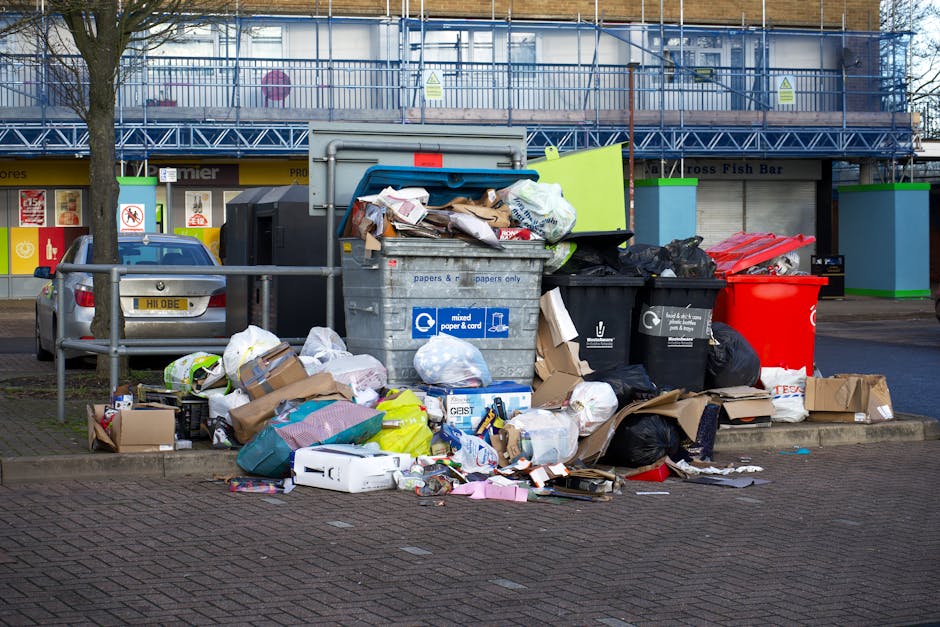
Kensington and Chelsea is a dense, busy part of London, and that changes the way waste has to be handled. Space is tight, pavements are busy, and waste left out at the wrong time can quickly become an obstruction rather than a tidy collection. That's why understanding the local rules matters even if you only have a few bags to get rid of.
For residents, the biggest risk is usually not dramatic. It is the small stuff: putting items out too early, mixing recyclable and non-recyclable waste, or leaving bulky rubbish where it blocks access. For landlords, managing agents, and businesses, the risk is bigger. Poor waste handling can create complaints, extra charges, missed collections, and sometimes the need to arrange emergency clearance under pressure.
It also matters because rubbish rules are really about responsibility. In a shared building, one person's shortcut becomes everyone else's problem. You can see this especially in apartment blocks and mixed-use streets, where bin stores, back alleys, and collection points all need careful coordination. If you've ever walked past a street on a Monday morning and seen bags split open by gulls or foxes, you know the feeling. No one wants to be the reason for that scene.
And yes, there's a financial side too. Fines, call-out charges, landlord deductions, and failed collections can all be avoided with a bit of planning. If you want a broader overview of how local waste services fit together, the services overview is a helpful starting point.
How Kensington and Chelsea council rubbish disposal rules explained Works
At a practical level, waste disposal in Kensington and Chelsea tends to fall into a few simple categories: everyday household rubbish, recycling, garden waste, bulky waste, and special items such as white goods, furniture, or builder's waste. Each type may need to be handled differently depending on size, material, and how it will be collected.
For normal household waste, the key idea is straightforward: use the correct containers, present them at the right time, and avoid contaminating recycling with non-recyclable items. Sounds simple. In practice, people often mix things up when they're rushing out the door or trying to clear a flat before the weekend.
Bulky items are where things get more nuanced. A single mattress, wardrobe, or old appliance is not the same as a bin bag, and many councils treat bulky waste separately from regular collections. The same logic applies to office waste, landlord clearance jobs, and renovation debris. You usually need a more deliberate removal method.
If you are dealing with something awkward or time-sensitive, private collection can be the practical route. For example, a same-day clearance can be far easier than trying to stage items over several collection rounds. For that kind of situation, you may find same-day rubbish removal in W11 useful to understand the pace and expectations involved.
There's also the compliance side. Any business or contractor moving waste must use an appropriate waste carrier and follow duty-of-care standards. That means the waste should be transferred responsibly, with the right paperwork or record-keeping where required. If you're unsure how that works in practice, the page on waste carrier licence and compliance is worth a look.
Key Benefits and Practical Advantages
Following the rules is not just about avoiding trouble. It makes the whole process calmer and cleaner. That may sound a bit obvious, but in a busy London household, calm is valuable.
- Fewer missed collections: waste is more likely to be collected when it is sorted and presented properly.
- Lower risk of complaints: neighbours, concierge teams, and building managers all notice poor waste handling very quickly.
- Better recycling outcomes: keeping materials separate helps more of your waste be processed correctly.
- Less clutter at home: when you know what can go where, you clear space sooner rather than later.
- Safer shared spaces: hallways, bin areas, and pavements stay easier to use.
There is also a hidden benefit that people often miss: clarity. Once you understand what counts as household rubbish, what counts as bulky waste, and what should be handled separately, decisions become much easier. You stop second-guessing every item. Should the old chair go out with black bags? Probably not. Does the broken microwave belong in the same pile as garden cuttings? Definitely not.
For anyone comparing disposal options, it helps to think in terms of time, convenience, and risk. A council route may be fine for small, routine waste. A private clearance route is often better when there's a deadline, a heavy item, or a property handover looming. If you are weighing that up, the pricing and quotes page gives a useful sense of how professional removals are typically approached.
Who This Is For and When It Makes Sense
This guidance is for a broad mix of people, because waste problems rarely stay in one lane.
- Residents: especially anyone living in flats, mansion blocks, or streets with limited bin space.
- Landlords and letting agents: when tenancies end and there is leftover furniture, bags, or mixed waste.
- Home movers: because moving day has a habit of exposing every forgotten item in the loft, cupboard, and under the bed.
- Businesses: offices, shops, studios, and hospitality venues that need orderly waste handling.
- Builders and renovators: anyone producing rubble, timber offcuts, packaging, or mixed site waste.
It also makes sense for anyone who has ever looked around a room and thought, "Right, this needs sorting before Friday." That might be a flat refresh, a house clearance, or a small office strip-out. In those situations, a structured disposal plan saves you from the classic last-minute scramble.
If your needs are more property-led, the local context matters too. People buying, selling, or upgrading homes in the borough often need a clearer plan for clearance and waste. That's one reason articles like the Holland Park property purchase guide can be surprisingly relevant, even when the main topic is waste.
Step-by-Step Guidance
Here's the simplest way to handle rubbish disposal without making it more complicated than it needs to be.
- Identify the waste type. Start by separating everyday household rubbish, recycling, bulky items, food waste, garden waste, and anything hazardous or specialist.
- Check what can be collected routinely. If it fits your normal household or recycling collection, prepare it in the right container and present it correctly.
- Pull bulky items out of the general pile. Furniture, appliances, mattresses, and large clearance loads usually need separate treatment.
- Flatten, bag, or bundle where sensible. You do not need to overpack things, but tidy waste is easier to move and less likely to cause issues.
- Keep hazardous items apart. Paints, chemicals, batteries, and certain electrical items should never be thrown in casually. Handle them with extra care.
- Choose the right disposal route. Council collection, recycling, donation, or a licensed removal service are the usual options.
- Set a clear deadline. If you need the space back quickly, arrange the removal before clutter turns into a project of its own.
A useful habit is to do a quick room-by-room sweep and sort in real time. One box for keep, one for donate, one for recycle, one for disposal. It sounds basic because it is basic, but basic works. Especially on a Thursday evening when the hallway is full and you are already tired.
What to do with common item types
Furniture: sofas, beds, wardrobes, and tables usually fall into bulky waste or specialist collection. If you need help with that sort of load, the pages for furniture removal in Holland Park and furniture disposal in Holland Park are relevant reads.
White goods and appliances: fridges, freezers, washing machines, and similar items require care because they are heavy and sometimes contain components that need special handling. A dedicated white goods and appliance disposal service can be the sensible choice.
Garden waste: branches, soil, grass cuttings, and hedge trimmings should stay separate from general rubbish where possible. If you're dealing with a bigger tidy-up after a windy weekend, garden waste removal may be the neatest route.
Office waste: desks, chairs, files, monitors, and mixed commercial waste are a different beast altogether. If you are clearing a workspace, the office clearance and commercial waste removal pages are the right match.
Expert Tips for Better Results
Small decisions make waste removal much easier. In our experience, the people who have the smoothest collections are the ones who plan one step earlier than everyone else.
- Don't wait until the pile is massive. Half a room of clutter is manageable. Three rooms, plus the loft, plus the garden? That's a different afternoon.
- Measure large items before booking. A quick size check avoids awkward surprises at the doorway or stairwell.
- Keep access clear. If collection teams need to pass through narrow halls or shared entrances, make the route as open as possible.
- Be honest about mixed waste. If a load contains sofas, bags, wood, and a broken appliance, say so up front. It helps with planning and pricing.
- Separate reusable items. Good furniture and usable items may be better donated or resold than thrown away.
There's also a timing tip worth remembering. Early morning collections can feel like a nuisance when you are half awake, but they are often easier for access and parking. Later in the day, streets get busier and things get more cramped. That tiny detail can make a real difference.
If you're trying to avoid awkward extra charges, the article on avoiding hidden charges in rubbish removal quotes is a smart companion read. It helps you think through what should be included before anyone turns up at the kerb.
Common Mistakes to Avoid
The mistakes are usually ordinary, which is why they catch people out.
- Putting the wrong items in the wrong stream: recycling contamination is one of the easiest ways to cause problems.
- Leaving rubbish out too early: this can create street clutter, attract pests, and annoy neighbours.
- Assuming bulky items are treated like bin bags: they usually are not.
- Ignoring electrical and hazardous waste rules: these items need more careful handling than general rubbish.
- Hiring an unlicensed remover: if waste is fly-tipped, the trail can come back to you. Not ideal, to put it mildly.
- Forgetting building rules: some blocks have their own bin-store or collection arrangements, and they matter just as much as council expectations.
Another common issue is overconfidence. Someone says, "It'll be fine, we'll just leave it near the bins." Famous last words, really. If the item is large, awkward, or outside the normal household waste setup, treat it as a separate job.
Tools, Resources and Recommendations
You do not need fancy kit to manage waste properly, but a few simple tools help a lot.
- Heavy-duty bags: useful for dense mixed waste, but don't overfill them.
- Labels or marker pens: helpful when sorting items into keep, donate, recycle, or dispose.
- Measuring tape: ideal for furniture, appliances, and stairwell access.
- Gloves and basic protective gear: especially if you are dealing with dusty loft items or sharp-edged waste.
- Phone camera: handy for photographing items before collection quotes or insurance records.
For property owners and managers, a short waste plan is often the best "tool" of all. Keep a note of what gets collected, when the next clearance is due, and which items need specialist removal. That tiny bit of structure can save a surprising amount of admin later on.
If you want a broader sense of services that support this sort of planning, the waste disposal page and the waste clearance page are useful for understanding the difference between routine disposal and larger clear-outs.
Law, Compliance, Standards, or Best Practice
Waste disposal in the UK is not just a matter of convenience. There is a duty of care around how waste is stored, moved, and passed on. In plain terms, that means you should only hand waste to someone who is properly set up to deal with it, and you should take reasonable steps to make sure it ends up where it should.
For households, compliance is often about following local collection instructions, sorting waste correctly, and avoiding fly-tipping or obstruction. For businesses, landlords, and contractors, the standard is higher. You should be able to show that waste was handled responsibly, especially if you are producing commercial or construction waste.
Best practice usually includes:
- using the correct disposal route for each waste type
- keeping hazardous items separate
- checking access and collection arrangements in advance
- recording what was removed when the job is commercial or repeated
- using licensed or compliant waste carriers where needed
It's worth being cautious here. Rules and procedures can change, and local buildings may have their own policies on top of council expectations. If you are ever unsure, it is better to pause and verify than to guess. That really is the boring-but-smart answer.
For readers who want to understand how responsible operators present themselves, the pages on insurance and safety and recycling and sustainability are useful indicators of the standards a careful service should try to meet.
Options, Methods, or Comparison Table
Different disposal methods suit different situations. Here's a simple comparison to help you decide.
| Method | Best for | Pros | Watch-outs |
|---|---|---|---|
| Regular council collection | Everyday household waste and recycling | Familiar, routine, usually the simplest option | Not suitable for many bulky or specialist items |
| Bulky waste arrangement | Large household items and occasional clear-outs | Designed for awkward pieces that won't fit normal bins | May require booking and careful presentation |
| Private rubbish removal | Fast clearances, mixed loads, short deadlines | Flexible, quick, useful for heavy or multiple items | Costs vary, so quotes should be checked carefully |
| Specialist clearance | Offices, lofts, builders waste, furniture-heavy jobs | Handles larger or more complex loads properly | Needs accurate information about access and waste type |
If you are dealing with a one-off sofa and a couple of bags, council routes may be enough. If you are clearing an entire room, a tenancy, or a workspace, a professional clearance is often less stressful. Not always cheaper in the obvious sense, but often better value once you count your time and the mess you avoid.
For furniture-heavy jobs specifically, the dedicated pages for furniture disposal in W11 and junk removal in Holland Park can help readers match the method to the job.
Case Study or Real-World Example
Imagine a small flat on a side street near Holland Park. The tenant has moved out, and the landlord has found a broken chair, a mattress, two black bags of mixed rubbish, and an old desk left in the corner. Nothing dramatic, but enough to delay the next viewing.
If they try to squeeze it all into normal waste, the mattress becomes a problem immediately. The desk is too large for a standard collection, and the mixed bags may not be accepted if they are overfilled or poorly presented. So the better approach is simple: separate the load, identify which items need specialist removal, and arrange a proper clearance for the bulky pieces.
In a case like that, a same-day or next-day collection can turn a messy handover into a clean one. The important bit is not speed for its own sake. It is having the right method. One short morning of organisation can save several days of back-and-forth. I've seen that happen more than once, and honestly, it's a relief when it does.
It's also a good example of why local knowledge matters. A property in Kensington and Chelsea may have access constraints, parking limits, or bin-store rules that make "just leave it outside" a bad plan. If you want a more local read on the area context, living in Holland Park local insights gives a useful feel for the practicalities of the neighbourhood.
Practical Checklist
Use this before you set anything out or book collection.
- Have I sorted rubbish, recycling, bulky items, and hazardous waste separately?
- Do I know what can go in the regular bin system and what cannot?
- Are any items too large, heavy, or awkward for a normal collection?
- Have I checked access, stairs, parking, and collection timing?
- Are there any building rules, concierge instructions, or shared-bin arrangements I need to follow?
- Have I measured furniture or appliances before arranging removal?
- Am I clear on whether I need a council route, donation route, or private clearance?
- Have I avoided mixing food waste, recyclables, electricals, and general rubbish?
- Do I need proof, records, or a receipt for landlord, office, or compliance purposes?
- Have I chosen a disposal method that balances time, cost, and convenience?
If you can tick most of those off, you are already ahead of the game. Not perfect. Just properly prepared, which is usually enough.
Get a free quote today and see how much you can save.
Conclusion
Kensington and Chelsea council rubbish disposal rules are easier to follow once you break them into practical parts: what kind of waste you have, how it should be separated, and which collection method fits the job. That simple framework prevents most of the stress people run into.
The real trick is not memorising every edge case. It is building a habit of checking the waste type, respecting building and street constraints, and choosing the right route first time. Do that, and disposal stops feeling like a nuisance and starts feeling manageable. Which, let's face it, is what everyone wants on a busy London week.
Whether you're clearing a flat, managing a property, or just trying to get rid of an awkward item without drama, a calm, compliant approach saves effort and usually saves money too. And if the pile looks bigger than you expected, that's fine. Happens to the best of us.
Take it one sort at a time, and you'll get there.